


100,-
Informasjon
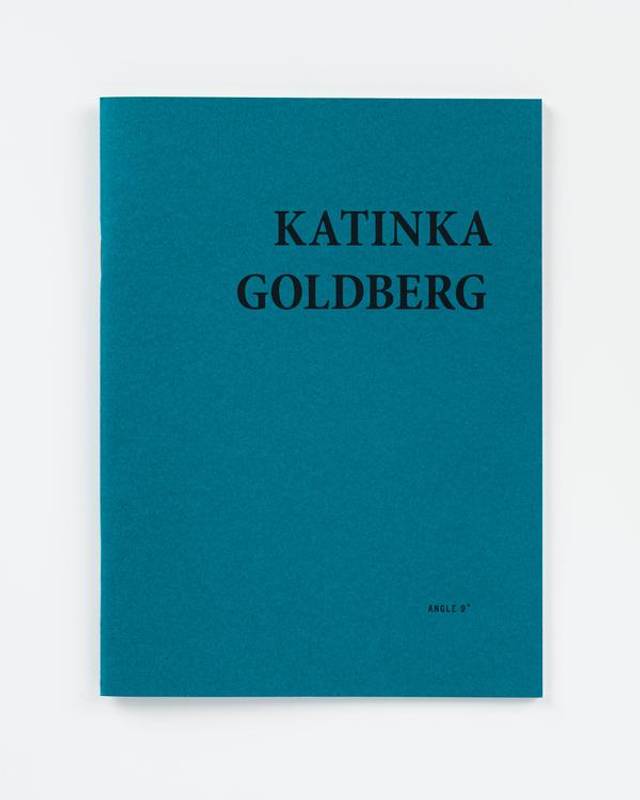
Angle 9° by Katinka Goldberg
Skallen
14,8 x 20 cm
24 pages
Offset print
Edition of 300, numbered
Twisted, complex bodies run through Katinka Goldberg’s work, which is in the marginal zone between sculpture and photography. The Skull, with the subtitle Seeing as a kind of belonging, consists of a series of photo collages dissecting the skull as an anatomical component. Several of the pictures in the publication have been taken from Bristningar (Rupture) a photo book trilogy on which Goldberg is working. In The Skull they take the form of an independent narrative.
Goldberg’s project explores the boundaries of the photographic medium via the amputated and reconstructed body, and at the same time hints at the possibility of alternative identities. The publication shows a variety of fragments such as skin, eyes and hair – with different colouristic temperatures, but all equally rooted in the bodily and the tactile. Indistinct forms enter into alliances with clear-cut elements; a fundamental flatness nevertheless suggests a three-dimensional dynamic. This deconstructive approach in which forms are almost violently broken down makes them collide and create new figurations. By insisting on complexity Goldberg thematizes construction itself as a method. These visual hybrids deal in a way with the very act of seeing – actively seeing creates an affinity that makes it easier to accept self-contradictory narratives.
Produsent

Multipres er et lite kunstnerdrevet forlag. Vi har hovedfokus på kunstnerbøker med kamerabasert kunst.

